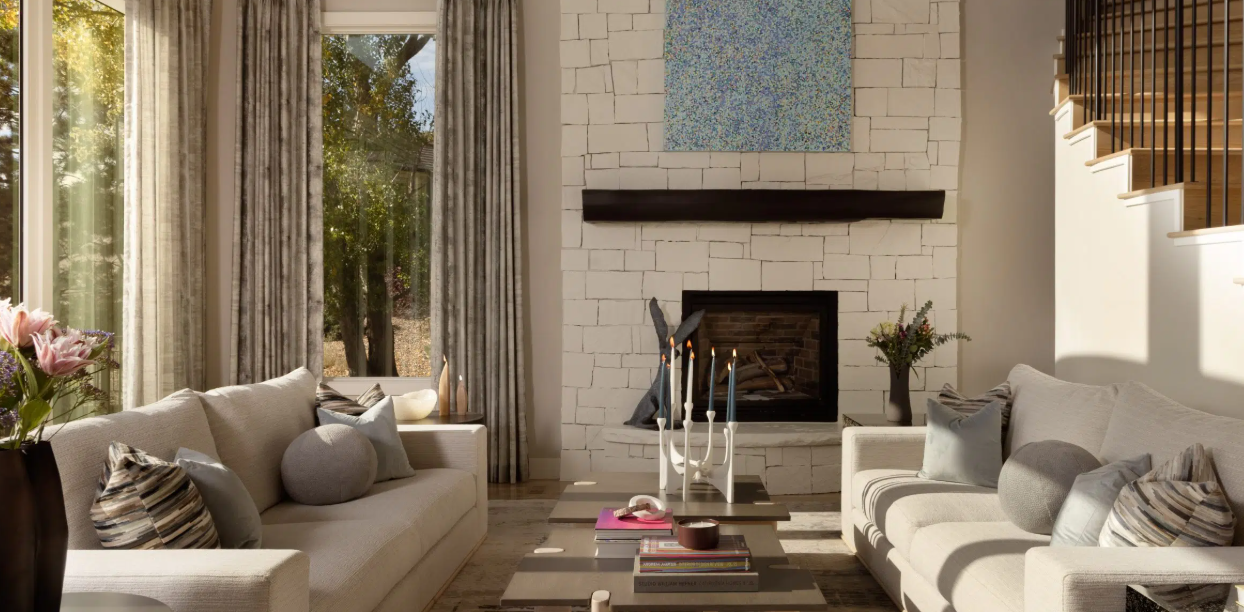
A house is more than walls and a roof. It is a system that shapes how people move think rest and interact every single day. Smart home design is not about luxury features or visual trends. It is about creating spaces that support real life routines without friction.
Many housing problems do not come from poor materials but from poor planning. When design ignores daily behavior homes become uncomfortable inefficient and stressful. Smart design focuses on function first then aesthetics.
What Smart Home Design Really Means
Smart home design begins with understanding how people live. It considers movement patterns storage needs privacy zones and shared spaces. The goal is to reduce wasted space and unnecessary effort.
This approach prioritizes layout flow natural light ventilation and adaptability. Rooms are designed to serve multiple purposes instead of rigid single use functions.
A smart home works quietly in the background. It supports daily habits without demanding attention.
Layout Decisions That Matter Most
The layout is the backbone of any home. Poor layout choices are difficult and expensive to fix later.
Open connections between kitchen dining and living areas improve interaction and efficiency. Clear separation between private and public zones improves comfort and privacy.
Storage placement is equally important. When storage is built into the layout clutter decreases and maintenance becomes easier.
Smart layouts reduce walking distance minimize obstacles and create visual balance.
Natural Light and Airflow
Light and air shape mood health and energy usage. Homes designed with good orientation feel larger and calmer even with limited space.
Windows placed for cross ventilation reduce reliance on mechanical cooling. Daylight reduces energy consumption and improves mental wellbeing.
Smart design treats sunlight and airflow as resources not afterthoughts.
Flexibility for Changing Needs
Life changes. Families grow work patterns shift and needs evolve. A smart home anticipates this.
Flexible rooms movable partitions and multipurpose spaces allow homes to adapt without major renovations. This flexibility extends the lifespan of the design.
Homes that adapt reduce long term costs and emotional strain.
Function Over Decoration
Trends change quickly. Function does not. Smart design resists unnecessary decoration that complicates maintenance.
Durable materials easy cleaning surfaces and practical finishes support long term use. Beauty emerges from proportion balance and usability rather than excess detail.
A well designed home feels good to live in not just to look at.
Closing Thoughts
Smart home design is about respect for daily life. It respects time movement and comfort.
When design decisions are guided by function homes become supportive environments rather than sources of frustration. Good design disappears into daily ease and that is its greatest success.