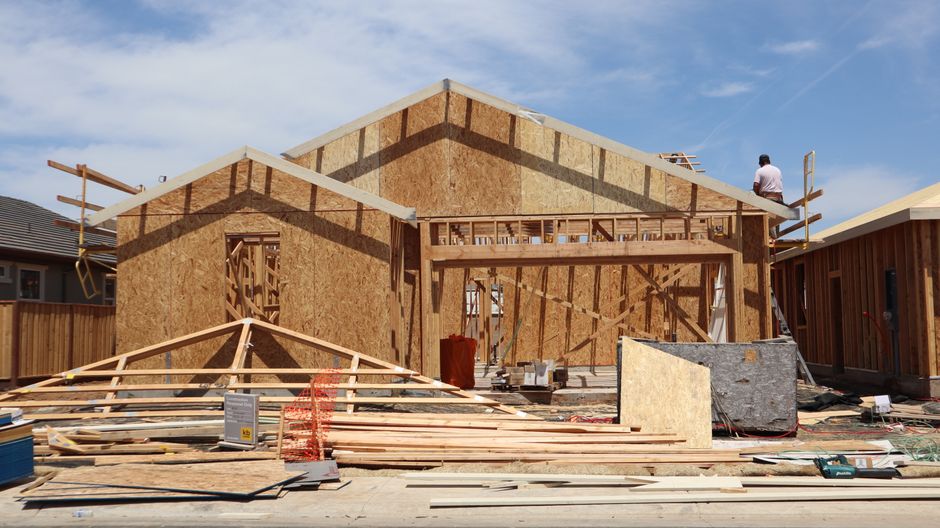
Residential construction is a complex industry that shapes the landscapes of our communities and shelters our families. This sector involves much more than the mere assembly of building materials. It’s a dynamic field requiring careful consideration of design, sustainability, and cost-efficiency.
Understanding the Basics
Residential construction encompasses the creation of private dwellings, ranging from single-family homes to larger residential complexes. This involves various phases including design, permitting, building, and completion.
Key Trends Shaping the Industry
Sustainable building practices, like the use of eco-friendly materials and energy-efficient technologies, are becoming increasingly prevalent. These innovations ensure homes are not only comfortable but environmentally responsible.
The Role of Technology
Technology plays a pivotal role, with digital tools facilitating everything from design accuracy to enhanced project management. This technological integration improves efficiency and reduces costs.
Conclusion
Residential construction is an ever-evolving field that influences both urban and rural housing landscapes, balancing aesthetic appeal with functionality and sustainability. Understanding these elements is essential for anyone considering embarking on a construction project.