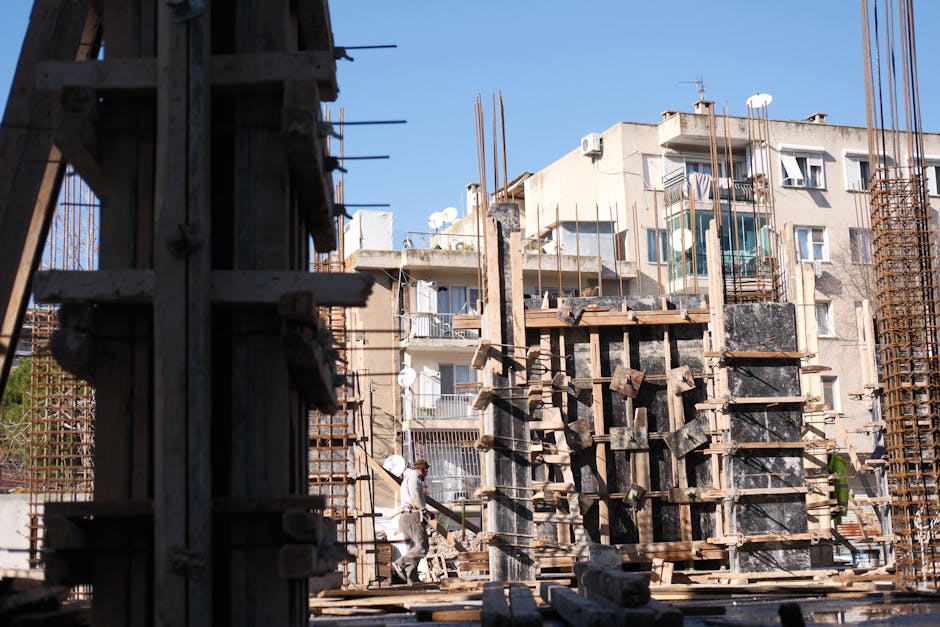
Residential construction plays a vital role in shaping the neighborhoods and communities we inhabit. Understanding its key aspects can offer valuable insights whether you're a homeowner, prospective buyer, or industry professional.
Understanding Residential Construction
Residential construction involves creating living spaces, ranging from single-family homes to multi-unit dwellings. This sector is influenced by architectural design, building materials, and local regulations, which vary significantly across regions.
The Importance of Quality Design
A thoughtful design is crucial, ensuring functionality, aesthetic appeal, and energy efficiency. Architects and builders collaborate to create homes that meet modern living standards and environmental requirements.
Materials and Techniques
Innovative materials and construction methods are continually advancing. From sustainable wood and steel to prefabricated models, choices can affect a project's cost, durability, and environmental impact.
Regulatory Compliance
Adhering to building codes and zoning laws is vital. These regulations ensure the safety and integrity of residential structures, safeguarding both homeowners and the community.
Conclusion
Residential construction is a dynamic field balancing design, materials, and regulatory compliance. Staying informed helps make better decisions, contributing to the creation of safe and sustainable living environments.